
Small-job focus
A handyman doing punch lists and minor repairs should not be described like a general contractor taking on whole-home builds.
Utah small business coverage
Coverage guidance for solo handymen, property-maintenance businesses, and small repair crews across Utah — with practical attention to tools, work vehicles, job scope, and customer contracts.
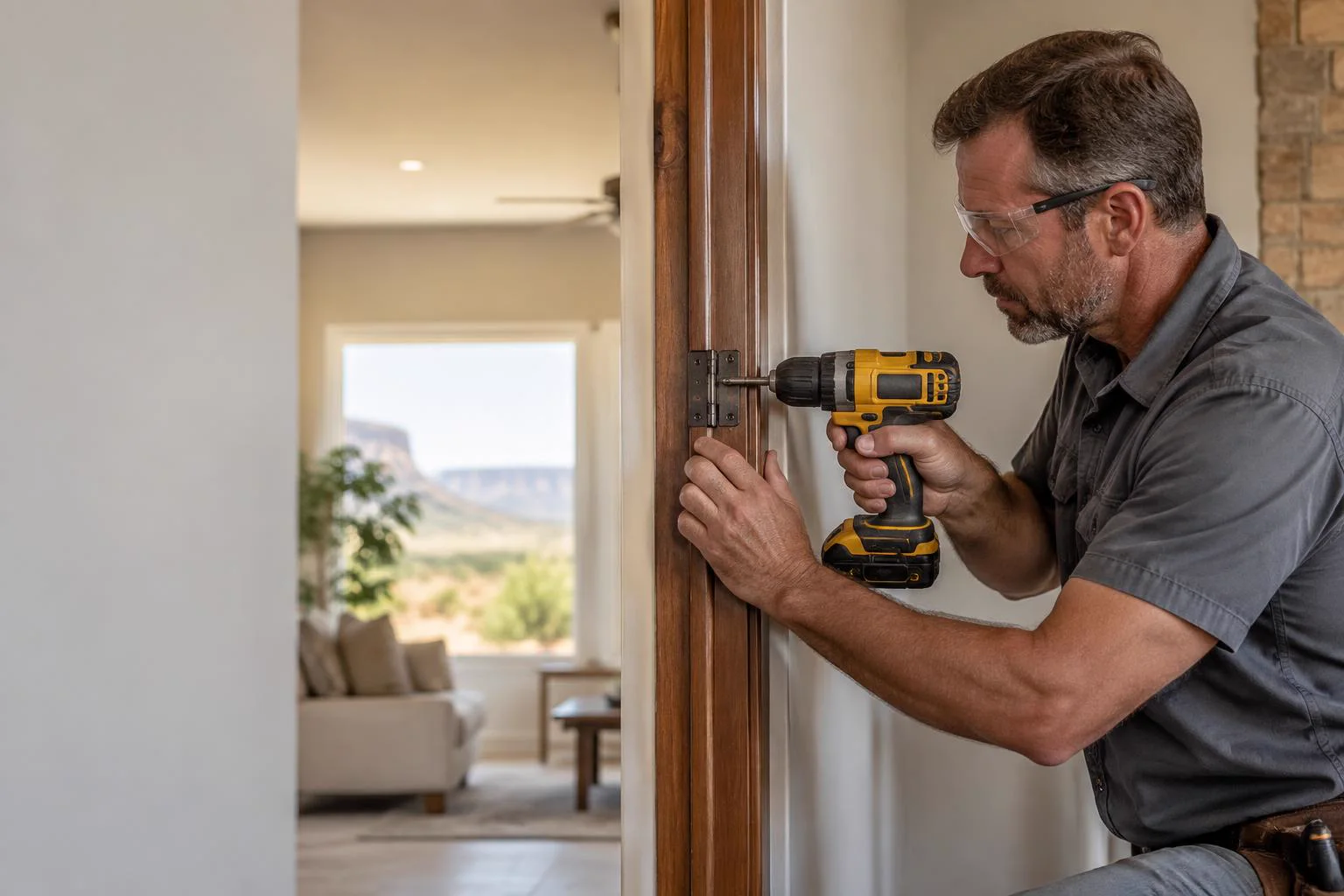
Utah handyman insurance commonly starts with general liability, then may add tools coverage, commercial auto, or workers’ compensation as a crew grows. Solo handymen are often quoted roughly $500 to $1,300 a year for liability, though job scope, heights, receipts, subcontractors, and insurer underwriting rules can change that considerably.
OnPoint asks what you repair, your largest jobs, whether you work above ground level, how you transport tools, and who performs the labor. Those details help insurers classify a handyman operation more accurately.
Reviewed by Kip LeeLicensed UT / NV / AZ agent since 2005Last updated
A practical starting point
A handyman doing punch lists and minor repairs should not be described like a general contractor taking on whole-home builds.
We review the equipment that earns your income and how it travels, rather than assuming liability insurance protects it.
We can discuss certificates and endorsement requests from property managers, homeowners associations, or commercial clients.
Coverage checklist
Not every business needs every policy. The right combination depends on your services, contracts, employees, vehicles, property, and the insurer’s underwriting rules.
May respond to covered third-party injury or property damage arising from eligible handyman operations.
Inland marine coverage may insure portable tools at job sites and in transit, subject to limits and theft conditions.
Designed for business-use trucks and vans, with options depending on ownership, drivers, radius, and attached equipment.
May provide statutory benefits for covered employees and is generally required for many Utah employers.
May package liability, eligible property, and business-income coverage when the operation qualifies.
May add limits above scheduled underlying policies when contracts or the business’s risk profile call for more protection.
Budgeting context
Price is usually the first question, so here is the honest version. The figures below reflect ranges small Utah handyman businesses are commonly quoted. They are educational estimates rather than offers, and roofing, height work, remodeling, or prior claims can move a premium well outside them.
| Coverage | General annual range | What moves the number |
|---|---|---|
| General liability (solo handyman) | Often about $500 – $1,300 per year | Annual receipts, services performed, height exposure, and chosen limits. |
| General liability (small repair crew) | Often about $1,200 – $3,000 per year | Payroll, subcontracted labor, project size, and contract requirements. |
| Tools and equipment (inland marine) | Often about $200 – $600 per year | Total replacement values, deductible, and overnight storage conditions. |
| Commercial auto (one truck or van) | Often about $1,500 – $3,400 per year | Driving records, radius, vehicle value, and attached equipment. |
| Workers’ compensation | Commonly rated per $100 of payroll | Class code, payroll, claim history, and experience modifier. |
| Business owners policy | Often about $800 – $2,200 per year | Property values, shop or storage location, and eligibility rules. |
These ranges are general educational estimates gathered from typical small-business submissions, not quotes, offers, or guarantees. Your premium depends on underwriting, and some businesses fall outside these ranges entirely.
Tools on the move
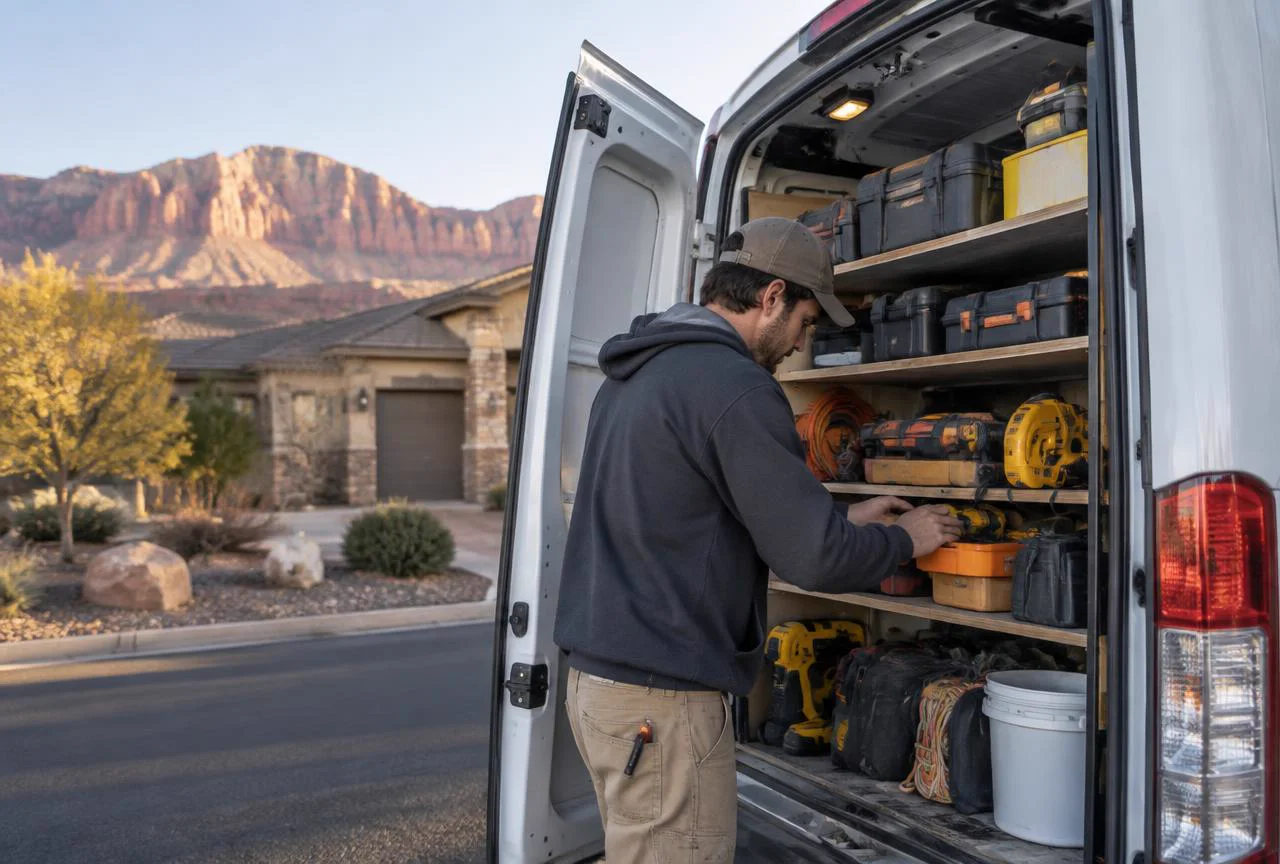
Commercial auto generally addresses covered vehicle liability and selected physical damage. It does not automatically insure every drill, saw, ladder, and compressor carried inside. Portable equipment coverage may fill part of that gap, but limits and theft conditions deserve a careful look.
A real inventory is more useful than a guess. We encourage owners to total replacement values, photograph higher-value tools, and explain whether equipment stays overnight in a van, garage, shop, or job trailer.
Scope matters
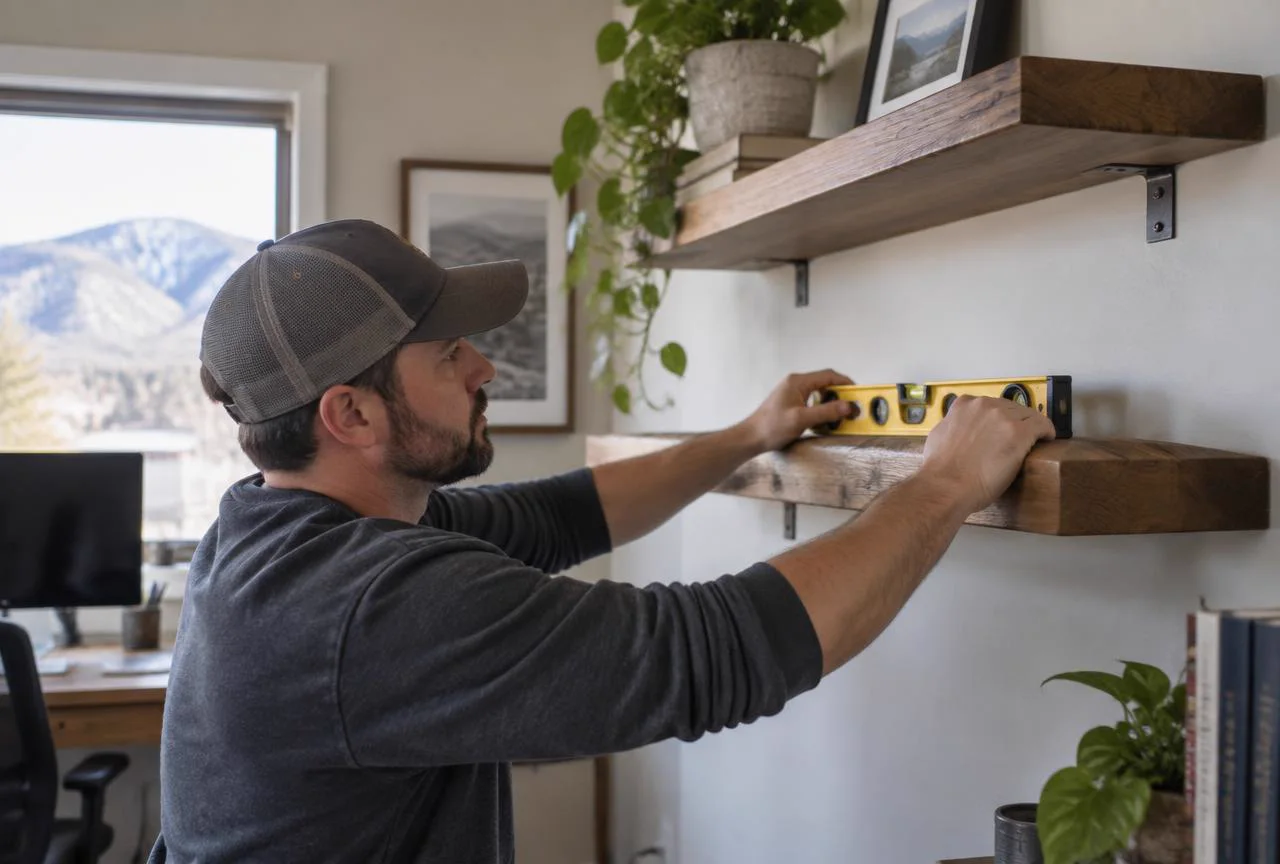
Hanging shelves, patching drywall, replacing trim, and handling punch lists can fit a different underwriting class from roofing, structural work, major remodeling, plumbing, or electrical contracting. Height, excavation, hot work, and subcontracting can also change what an insurer will consider.
Utah licensing rules depend on the work and contract. Insurance does not grant a trade license or make excluded operations covered. Describing every service honestly helps avoid a policy built around the wrong classification.
Built around your work
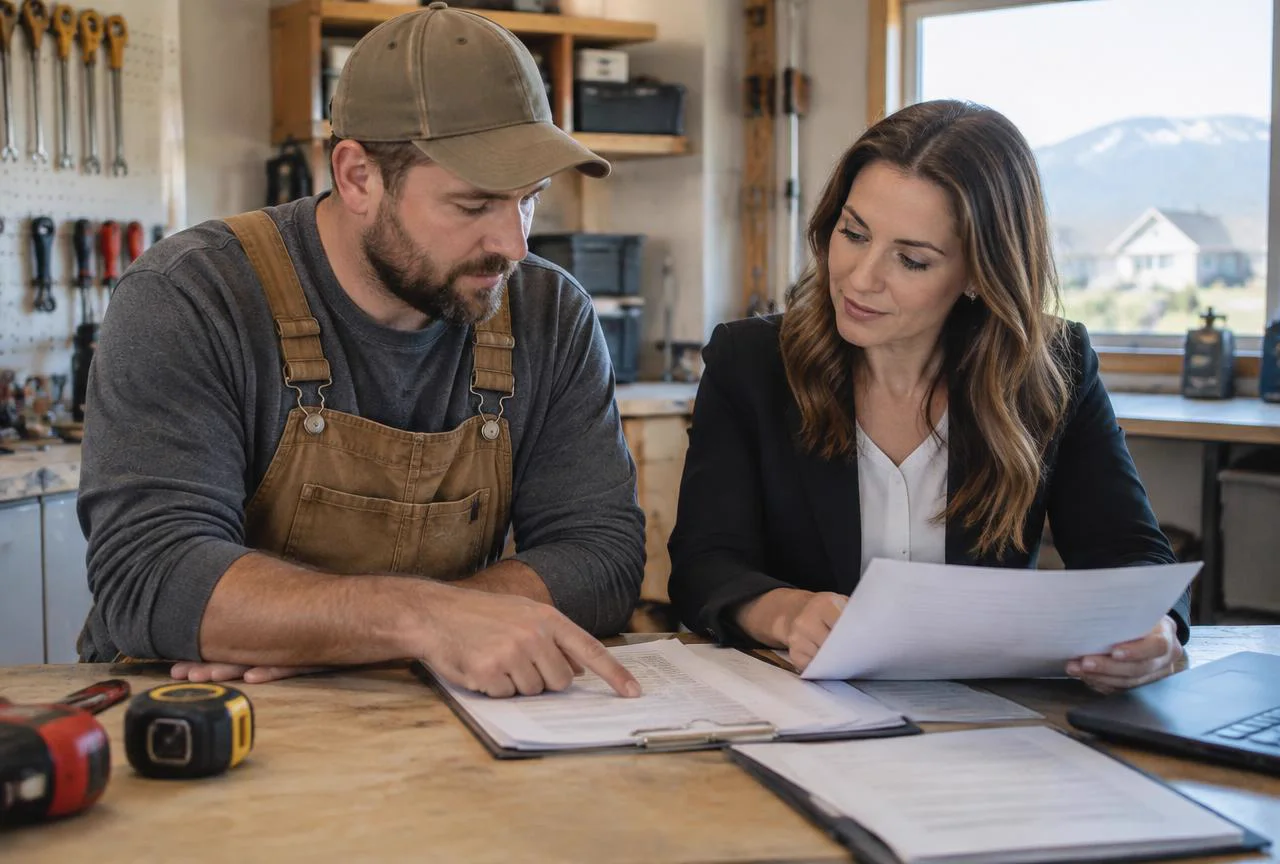
Handymen often wear ten hats in one week. That is exactly why we ask for examples: the largest project, the most common repair, work at heights, subcontracted tasks, and jobs you decline. A short conversation can reveal whether a basic liability policy is enough to discuss or whether tools, auto, property, or payroll exposures also need attention.
OnPoint is independent, but we do not represent every insurer and cannot promise that every operation will qualify. We can explain the Utah options available to us and help you compare policy terms, not just the first premium shown.
Situations to plan for
A fastener hits a hidden pipe and water damages other finished areas. Coverage may depend on the cause, resulting damage, and exclusions for the work itself.
Tools are stolen from a locked service van. A tools policy may respond if the loss meets its theft conditions, limits, deductible, and documentation requirements.
A regular helper falls while carrying materials. Worker status and Utah law may matter, and general liability is not a substitute for workers’ compensation.
Examples are illustrative only. Whether a claim is covered depends on the facts, policy wording, limits, deductibles, exclusions, and endorsements in force at the time of loss.
Utah-focused, Southern Utah based
Southern Utah’s growth creates steady repair work in homes, rentals, retail spaces, and new developments. It also brings property-manager contracts, long driving routes, summer heat, and tools left in vehicles between jobs. We serve handyman businesses throughout Utah while keeping the conversation grounded in the work performed and the communities served.
Notes from the desk
Almost every handyman I talk to underprices their tools. People tell me “maybe five grand,” then we walk through the van and it is closer to twelve. That inventory conversation is the one that most often changes the policy we end up discussing.
The second issue is scope creep. A business that started with shelves and drywall patches picks up a small roof repair or a service-panel swap, and suddenly the class code on the application no longer matches the work. That mismatch tends to surface at claim time or audit, which is the worst time to find it.
So I ask for the whole job list, including the work you turn down. It is a slower conversation, but it is the difference between a policy that looks cheap and a policy that behaves the way you expected when something goes wrong.
Straight answers from a local agent. Have another question? Call us at (435) 628-0993.
Tell us what work you perform, who performs it, and where. We’ll discuss available Utah options without pressure.